

Document Authentication Solutions: Travel & Identity Documents
foster+freeman manufacture advanced solutions for use at all 3 lines of questioned document examination:
FIRST LINE EXAMINATION
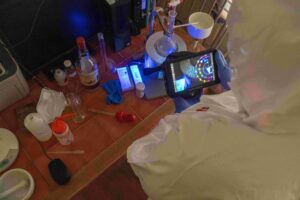
A first line examination may be described as the visual inspection of overt security features, which may be undertaken by a trained examiner using sight and touch alone.
SECONd line examination
Second line examination requires users of varying levels of expertise, using simple equipment, to be able to quickly and easily detect and authenticate semi-covert security features that cannot otherwise be discerned by the naked eye.
Third Line (Forensic) Examination
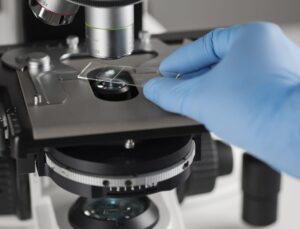
Third line examinations are conducted by QDE experts equipped with specialist equipment capable of revealing covert security features.
Identity Document Authentication Products
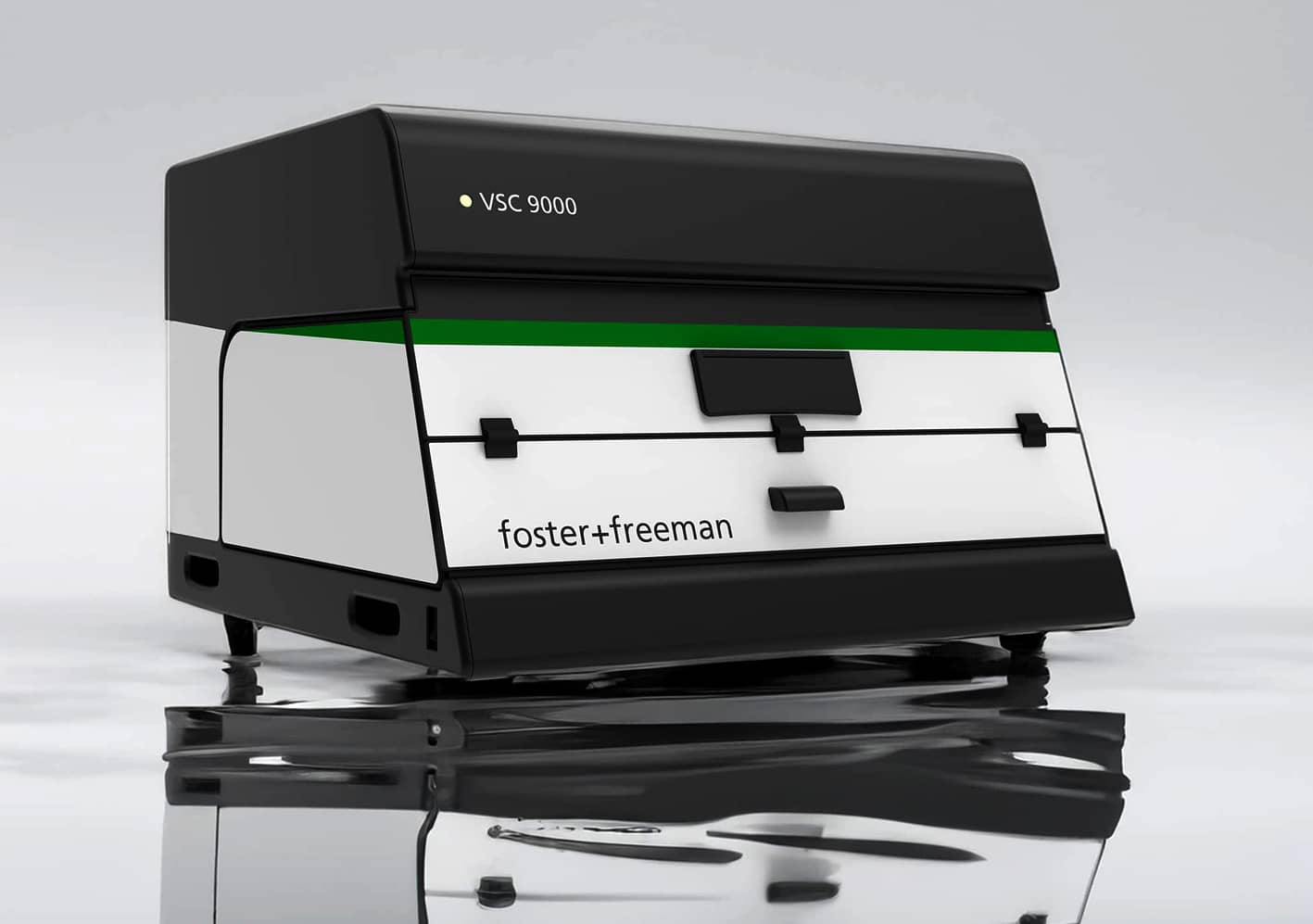
VSC®9000
Our Most Advanced QDE Workstation: Redefining the Limits of Optical Performance
LEARN MORE
Equipped with a high-performance optical and illumination system, VSC9000 enables the examiner to conduct multi-spectral examinations of documents in microscopic detail to authenticate legitimate documents, reveal sophisticated counterfeits and to identify evidence of tampering or manipulation with unparalleled accuracy.
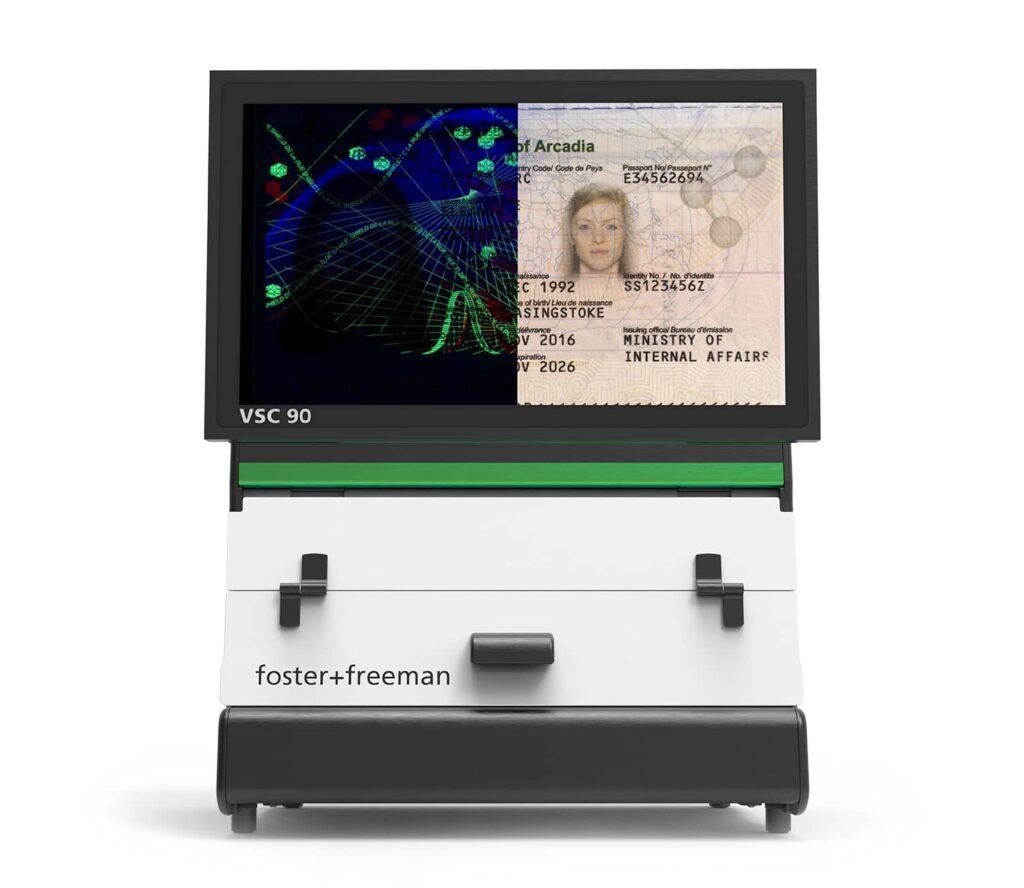
VSC® 90
An Evolution in Versatile Document Examination
LEARN MORE
Available as a standalone field-ready system for mobile deployment, or a lab-ready device, the VSC90 combines forensic-grade multispectral examination hardware with VSC STAC, a uniquely powerful forensic e-Chip data group extraction and interrogation toolset.
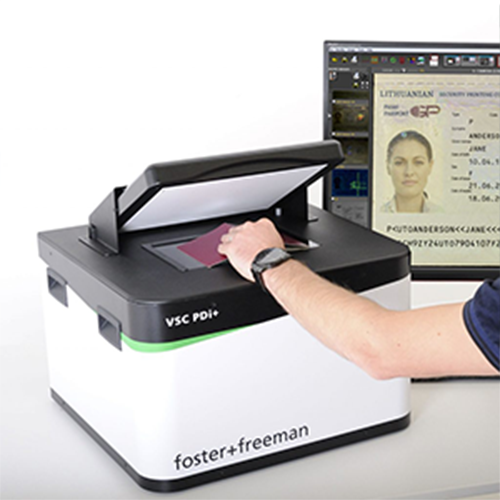
VSC®PDi+
Perfect Digital Image Capture of Travel and Identity Documents
LEARN MORE
The VSC-PDi+ captures ultra-high-resolution images of documents under a selection of light sources, storing them together with biometric and embedded data to create a full digital record of the physical document.
ESDA® 2
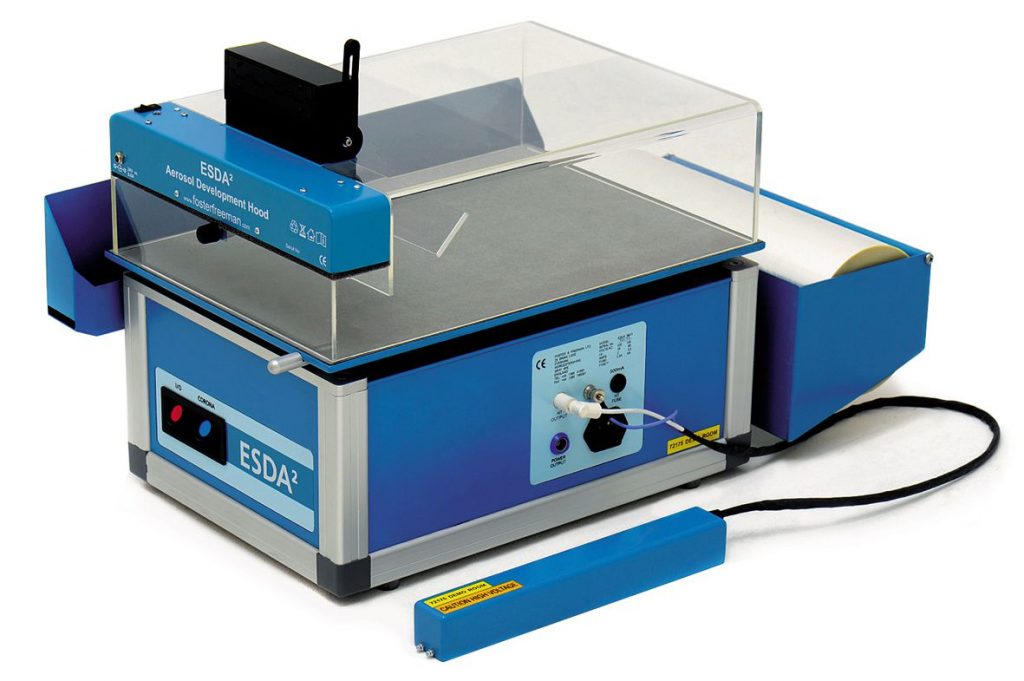
The Industry Standard System for Detecting Indented Writing
LEARN MORE
The ESDA® 2 works by creating an electrostatic image of indented writing, which is then visualized by the application of charge-sensitive toners. The sensitive imaging process reacts to sites of microscopic damage to fibres at the surface of a document, which have been created by abrasive interaction with overlying surfaces during the act of handwriting.
- Creation of permanent records
- Repeatable without loss of information
- Effective on old documents
- A3-sized document bed
- Original cascade development method
- Improved toner pad development
- Optional aerosol hood for ‘powder cloud’ development
- Replaceable vacuum bed